What natural wall textures bring a modern interior to life?
Natural wall textures are making a strong return in modern interiors, and for good reason. They add visual warmth, tactile interest, and a sense of calm that painted drywall alone cannot achieve. For anyone looking to soften a sleek room or bring a bit of the outdoors inside, preserved moss artwork is one of the most effective and low-maintenance options available.
The direct answer is that preserved moss works best when used as a living texture on an accent wall or as a series of framed panels. It offers a deep, velvety green surface that absorbs light rather than reflecting it, creating a quiet focal point. Other natural textures that pair well with modern spaces include limewash plaster, wood slats, cork, and woven fibre panels. Each brings its own character, but preserved moss stands out because it requires no watering, no soil, and no sunlight, making it a genuinely practical choice for interior styling.
Why texture matters in modern interiors
Modern design often leans on clean lines, neutral palettes, and minimal clutter. That approach can feel stark or impersonal if every surface is smooth. Texture adds depth without adding visual noise. A rough or organic surface catches the eye in a different way than a flat wall does, and it softens the acoustics of a room too. When you combine a calm color palette with one textured wall, the space feels more layered and lived-in, even if the furniture is sparse.
Natural materials also connect a room to the outside world, which is the core idea behind biophilic design. People respond positively to materials that feel authentic, such as stone, wood, or preserved moss. These surfaces do not try to hide their origin. They bring a sense of age, growth, and permanence that synthetic textures rarely match.
Preserved moss as a wall texture
Preserved moss is real moss that has been treated with a glycerin-based solution so it stays soft and green for years. It is not dried moss, which crumbles, and it is not artificial moss, which looks plastic. The preservation process replaces the water inside the plant cells with a stable fluid, so the moss maintains its texture and color without any ongoing care. It can be mounted on panels or framed to create preserved moss artwork that hangs like a painting but feels more like a living surface.
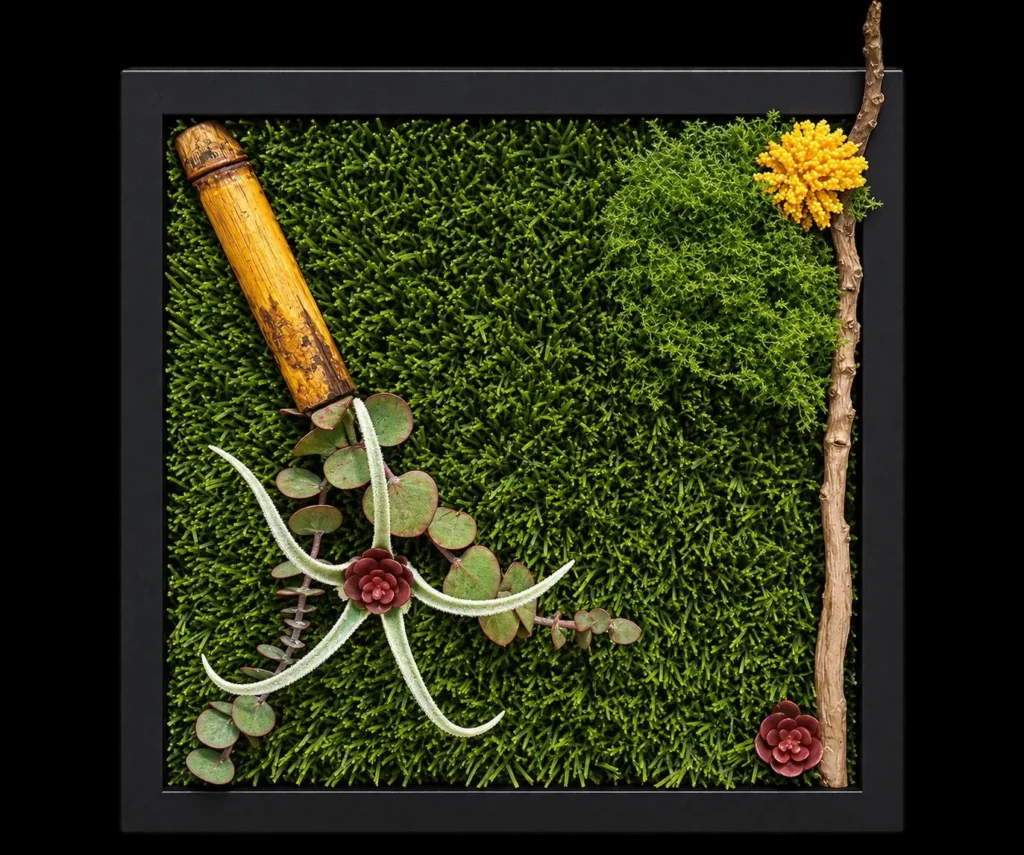
For a modern interior, the appeal lies in the contrast it creates. A preserved moss wall is dense and slightly irregular. It catches light unevenly, which gives the room a natural rhythm. It also works exceptionally well as an accent wall behind a sofa, a bed, or in an entryway, where its color and texture become the first thing a visitor notices. Because preserved moss is completely inert after treatment, it does not shed, attract insects, or grow mold, so it is safe for bedrooms, living rooms, and even offices.
If you visit mosswallart.design, you will see how preserved moss artwork can be integrated into a variety of interior styles, from minimalist to bohemian. The key is to treat it as a texture first and a decorative piece second. It should sit comfortably alongside natural wood, stone, or linen, not compete with them.
Other natural wall textures to consider
Limewash plaster
Limewash plaster is a mineral-based finish that creates a soft, matte surface with subtle color variations. It breathes, which helps regulate humidity, and it develops a natural patina over time. In a modern room, a limewashed wall looks almost chalky, with gentle undulations that make the surface feel handmade. It pairs well with preserved moss artwork because both materials share a matte, organic quality.
Wood slats and panels
Vertical or horizontal wood slats add linear texture and warmth. They can be arranged with gaps to create a rhythmic pattern, or installed tightly for a solid wood wall. The natural grain of oak, walnut, or ash introduces a different kind of texture than moss does, but the two can work together in the same room. A wood slat wall might frame a preserved moss panel, for example, or the moss could fill a recessed section of a wood-clad wall.
Cork
Cork is often overlooked as a wall finish, but it is surprisingly effective in modern interiors. It has a soft, slightly spongy feel, it absorbs sound, and it is naturally fire-resistant. Cork panels come in a range of warm browns and can be left raw or sealed. The texture is fine and consistent, which makes it a good background for a more dramatic texture like preserved moss artwork.
Woven fibre panels
Materials such as sisal, jute, or seagrass can be woven into wall coverings that add a coarse, tactile surface. These work well in rooms with a natural or coastal theme. Like wood and cork, woven fibres are renewable and biodegradable. They do not offer the same visual depth as moss, but they provide a textural base that makes the room feel grounded.
How to combine textures without overwhelming the room
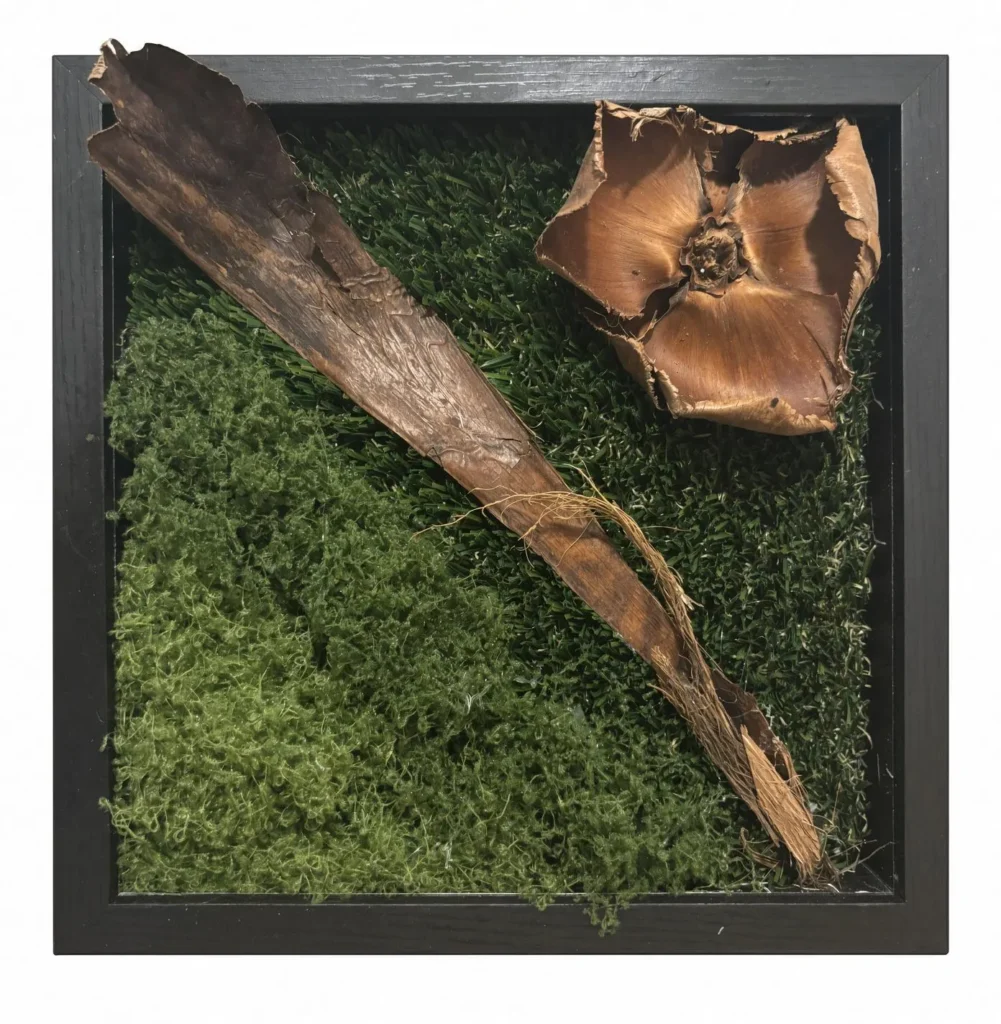
The trick to using multiple natural wall textures is restraint. In most modern interiors, one textured wall is enough. If you choose preserved moss artwork as your main texture, keep the other walls smooth and painted in a neutral tone such as warm white, pale grey, or beige. This lets the moss be the focal point without competing with other busy surfaces.
If you want to use two textures, separate them. For example, put a limewashed wall in the dining area and a preserved moss accent wall in the living area. The eye will read them as different zones, not as clutter. You can also layer textures within the same wall by using a framed moss panel against a wood-slat background. The combination of the soft, organic moss and the clean, linear wood creates a balanced contrast that is visually interesting without being busy.
Lighting also plays a role. Natural textures look best when lit indirectly. A wall sconce or a floor lamp that washes light across a preserved moss surface will bring out its depth and color variation. Direct overhead light can flatten the texture, so use dimmable fixtures and warm bulbs to keep the space feeling calm.
Maintenance and longevity
Preserved moss requires almost no maintenance. You do not need to water it, fertilise it, or trim it. The main thing to avoid is direct sunlight, which can fade the colour over time. A room with indirect natural light or artificial light is ideal. If dust settles on the surface, a gentle blast from a hairdryer on a cool, low setting or a soft brush will clean it. Humidity is not a problem as long as the room stays within normal indoor conditions. Bathrooms with high steam levels are not recommended, but a living room, bedroom, or office is perfectly fine.
Other natural textures like limewash and wood may need occasional attention. Limewash can be touched up if it chips, and wood may need re-oiling every few years depending on the finish. Cork and woven fibres are more durable but can stain if exposed to moisture or spills. Compared to these, preserved moss is the most forgiving material for anyone who wants a natural look without ongoing upkeep.
Bringing it all together
Natural wall textures work best when they serve the room rather than dominate it. Preserved moss artwork is a smart choice for modern interiors because it provides a rich, organic texture that does not demand care, does not fade quickly, and fits easily into a clean aesthetic. Whether you use it as a single framed piece or cover an entire wall, it brings the calming influence of nature into a space without the mess or maintenance of live plants.
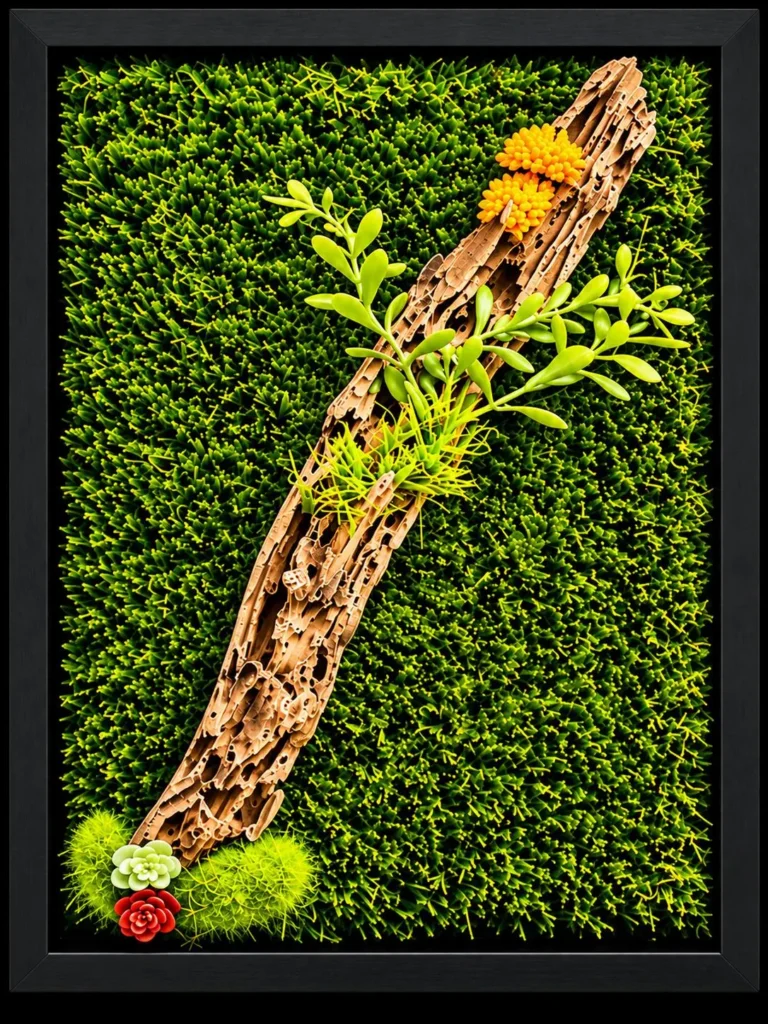
For those planning their interior palette, the combination of preserved moss with a neutral wall colour and a few natural material accents creates a room that feels quiet, intentional, and connected to the outdoors. The brand mosswallart.design specialises in this kind of work, offering preserved moss artwork that is designed to complement modern interiors while adding texture that is both subtle and striking. It is worth considering if you want a texture that will last for years with no fuss.
In the end, the best natural wall texture is the one that feels right in your space. Preserved moss is a strong contender because it delivers on both aesthetics and practicality, and it does so without asking much in return.